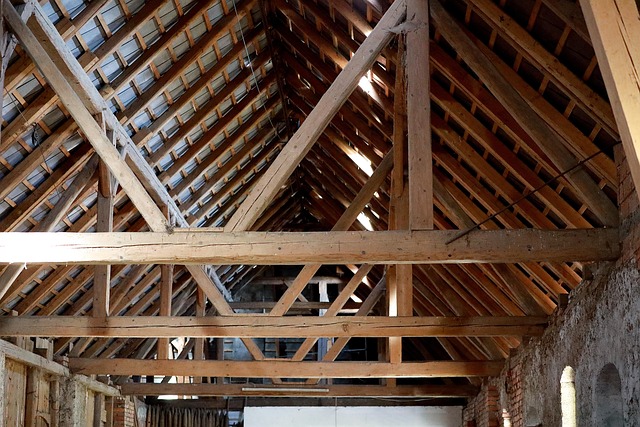
Laminated Wood Beams for Construction offer enhanced structural stability, aesthetic appeal, and cost-effectiveness. They are versatile, durable, and environmentally friendly, suitable for both residential and commercial projects. Key benefits include:
1. Superior Load Bearing: High load capacities enable open floor plans with extended spans.
2. Customizability: Tailored to specific needs, minimizing waste.
3. Longevity: Three times longer lifespans, resistant to rot and pests.
4. Cost-Effective: Efficient manufacturing and reduced replacement costs.
5. Environmental Friendliness: Primary use of renewable resources, lower carbon footprint.
Consult structural engineers for load calculations and visit unalam.com for quality products.
Selecting the optimal Laminated Wood Beams for Construction is a critical decision, impacting structural integrity, project aesthetics, and long-term performance. With an array of options available, identifying the most suitable beams can be daunting. This article guides you through the intricate process, offering valuable insights to navigate the complexities. We'll explore key factors, from material composition and dimensional stability to load-bearing capacity and environmental considerations. By the end, you'll possess the knowledge to confidently choose Laminated Wood Beams, ensuring your construction projects achieve both structural excellence and visual appeal.
- Understanding Laminated Wood Beams for Construction
- Defining Your Project Needs and Load Requirements
- Exploring Different Types of Laminated Wood Beams
- Evaluating Quality and Durability of Beams
- Installation Techniques and Best Practices
- Cost Considerations and Long-Term Benefits
Understanding Laminated Wood Beams for Construction
Laminated Wood Beams for Construction offer a sophisticated solution to both structural challenges and aesthetic considerations. These engineered beams, comprised of multiple layers of wood bonded together under high pressure, are designed to solve various structural issues that can arise in construction projects. Their versatility makes them an ideal choice when replacing old, damaged or inadequate beams, providing a cost-effective and efficient method to reinforce existing structures without the need for extensive renovations.
One of the key benefits of laminated wood beams lies in their ability to enhance structural integrity while maintaining a visually appealing finish. This is particularly advantageous in historical buildings where preserving architectural character is paramount. By creating custom laminated timber structures, builders and architects can achieve unique designs that blend seamlessly with traditional aesthetics, all while ensuring safety and stability. For instance, lamination allows for longer beam spans, enabling open-concept floor plans with minimal supporting walls, thereby maximizing living spaces.
Moreover, laminated wood beams are an environmentally conscious choice. They utilize a renewable resource, wood, and can be sourced from sustainably managed forests, contributing to a reduced carbon footprint compared to some alternative materials. This eco-friendly aspect resonates with builders and homeowners alike who prioritize sustainability in their construction projects. To explore the full potential of laminated wood beams and discover how they can transform your construction efforts, visit us at unalam.com.
Defining Your Project Needs and Load Requirements

Choosing the right laminated wood beams for your construction project starts with defining your specific needs and load requirements. Understanding these factors is crucial as they determine the structural integrity and overall success of your venture. Whether you're building a new structure or undergoing renovations, each project presents unique challenges and opportunities. For instance, a residential garage may require different beam specifications than a commercial warehouse, even for similar span lengths.
Laminated wood beams offer an array of design possibilities while ensuring structural soundness. Their engineered composition allows for greater load-bearing capacities compared to solid wood, making them a popular choice in modern construction. This is particularly beneficial when dealing with extended spans or heavy loads. For example, a 24-foot laminated beam can support significant weight, enabling architects and builders to create open, column-free interiors that enhance interior design flexibility.
When selecting laminated wood beams for construction, it's essential to consider the unique requirements of your project alongside the advantages these beams offer. To ensure optimal performance, consult with structural engineers who can provide precise load calculations tailored to your needs. This data-driven approach, coupled with understanding available wood beam alternatives, will empower you to make informed decisions. For instance, while steel and concrete have their merits, laminated wood beams can be a more cost-effective and aesthetically pleasing option for certain applications, especially in achieving specific design aesthetics. Visit unalam.com to explore how we provide top-quality laminated wood beams for your construction needs.
Exploring Different Types of Laminated Wood Beams
When considering laminated wood beams for construction projects, understanding the diverse range of options available is paramount to making an informed decision. Laminated wood beams, or LWTs as they are sometimes known, offer a robust and versatile alternative to traditional building methods. They can be designed to meet specific structural requirements, enabling architects and builders to create custom laminated timber structures that enhance both functionality and aesthetics.
The variety of laminated wood beam types ensures there is an option suitable for every project need. Standard LWTs are ideal for load-bearing applications, providing exceptional strength and stability. These beams are engineered by bonding multiple layers of dimensioned wood together under high pressure, resulting in a superior product that surpasses the properties of individual lumber pieces. For more specialized projects, cross-laminated timber (CLT) beams stand out due to their extraordinary load-carrying capacity and dimensional stability, making them perfect for large span structures and complex architectural designs.
When exploring wood beam alternatives for construction, consider tailored solutions offered by custom laminated wood beam manufacturers. These experts can produce beams that are not only designed to exacting specifications but also crafted from sustainable sources. For instance, a growing trend in the industry is the use of recycled or reclaimed wood, which not only reduces environmental impact but also adds a unique character to the structure. Furthermore, visiting us at 18 Clifton St, Unadilla, NY 13849 allows you to gain firsthand experience and insights into the latest advancements in laminated wood beam technology, ensuring your projects remain ahead of industry trends.
Evaluating Quality and Durability of Beams
Choosing the right laminated wood beams is paramount for any construction project, whether a professional builder or a DIY enthusiast. When evaluating options, the primary focus should be on the quality and durability of these engineered materials. Look beyond the surface; examine the core structure and manufacturing process to ensure longevity. High-quality laminated wood beams offer superior strength-to-weight ratios, making them ideal for both commercial and residential applications. For instance, a study by the Lumber Industry Research Council found that laminated wood beams can last up to three times longer than traditional solid lumber under comparable load conditions.
One of the significant advantages of laminated wood beams for construction is their customizable nature. Manufacturers can tailor these beams to specific project requirements, ensuring precise fitting and efficient use of materials. This customization extends to various species and finishes, allowing builders to select woods that align with design aesthetics while maintaining structural integrity. For DIY projects, this flexibility offers cost savings by minimizing waste.
The benefits of laminated wood construction are numerous. It provides consistent performance, superior resistance to rot and pests, and reduced environmental impact compared to traditional lumber. Additionally, laminated wood beams can be more cost-effective in the long run due to their extended lifespan. For instance, a 2020 survey by the National Association of Home Builders revealed that homeowners perceived laminated wood products as offering better value for money. If you're considering these innovative building solutions, reach out to our experts at (607) 369-9341 for guidance tailored to your specific construction needs.
Installation Techniques and Best Practices
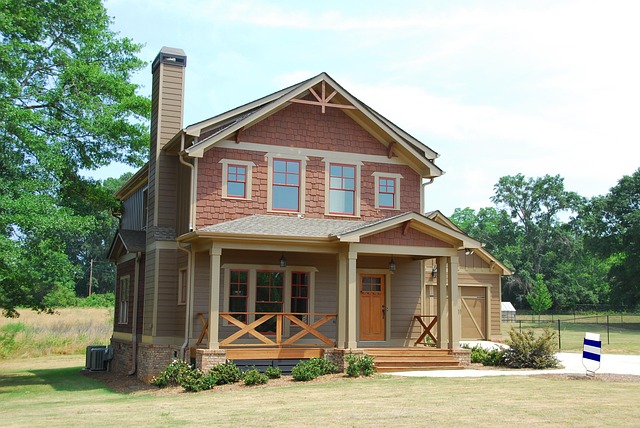
When considering Laminated Wood Beams for Construction, understanding various installation techniques and best practices is paramount to ensuring structural integrity, durability, and cost-effectiveness. These beams offer a sturdy, budget-friendly alternative to traditional wood framing, especially when fixing or replacing old wooden beams. The unique lamination process enhances the strength-to-weight ratio, making them up to 3 times stronger than conventional lumber, while also contributing to their longevity.
One of the key installation techniques involves direct attachment to existing concrete slabs using anchors, ensuring a solid foundation for structural support. This method is particularly effective for floor joist applications, providing uniform load distribution and minimizing movement over time. Additionally, lap joints and plate connections are recommended for connecting laminated beams, allowing for seamless integration without compromising strength. Proper sealing of these connections is essential to prevent moisture ingress, which could compromise the structural integrity of the beams.
For those looking to enhance or restore existing wooden structures, laminating techniques offer a powerful solution. By incorporating these modern beams, old wooden frames can be reinforced, extending their lifespan and maintaining structural stability. This not only preserves historical architecture but also provides a cost-efficient option for builders and homeowners alike. For specific concerns or unique construction needs, consulting with structural engineers is advisable to ensure the chosen installation method aligns with local building codes and safety standards. Visit us at 18 Clifton St, Unadilla, NY 13849 for expert guidance tailored to your project requirements.
Cost Considerations and Long-Term Benefits

Choosing the right laminated wood beams for construction goes beyond initial cost. While easy installation is a benefit of laminated wood beams, the true value lies in their sturdy construction and long-term benefits. These benefits extend from structural integrity to reduced maintenance over time—a significant advantage compared to traditional building methods. A study by the Wood Products Council found that laminated wood construction can be up to 30% stronger than conventional framing, yet it's more cost-effective due to its efficient manufacturing process.
When considering cost, it's crucial to look at the entire lifecycle of the structure. Laminated wood beams, known for their strength and durability, can significantly reduce replacement costs over time. Unlike traditional timber frames that may require periodic repairs or replacements, laminated wood beams maintain their structural integrity, ensuring a more stable and safe building environment. This longevity translates into substantial savings, making them a smart investment for both commercial and residential projects.
Moreover, the environmental benefits of laminated wood construction cannot be overlooked. Since these beams are primarily made from renewable resources, they offer an eco-friendly alternative to steel or concrete framing. By choosing laminated wood beams, builders and developers can contribute to sustainable practices while delivering high-quality structures. For instance, a case study comparing traditional and laminated wood frame buildings found that laminated wood structures had a significantly lower carbon footprint, making them increasingly popular among environmentally conscious consumers.
To ensure you're getting the best value for your money, consider consulting with industry experts and visiting reputable suppliers like unalam.com. They can provide insights into the latest advancements in laminated wood beam technology and guide you in selecting the most suitable products for your project. By balancing cost considerations with long-term benefits, you'll not only build stronger structures but also contribute to a more sustainable future.
By carefully understanding Laminated Wood Beams for Construction, defining project needs, exploring beam types, evaluating quality, mastering installation techniques, and considering cost benefits, you can make informed decisions when selecting these structural marvels. This article has equipped you with the knowledge to navigate the options, ensuring your construction projects receive superior reinforcement. Moving forward, prioritize thorough assessments, consult industry standards, and leverage professional guidance to harness Laminated Wood Beams' full potential, thereby achieving robust, long-lasting, and aesthetically sound structures.