
Laminated wood beams for construction offer significant advantages over steel: superior durability, reduced environmental impact, lower costs, and enhanced aesthetic appeal. With exceptional strength-to-weight ratios, dimensional stability, and customizable designs, they revolutionize structural support while aligning with sustainability goals. Cost savings, faster build times, and minimal maintenance make them a strategic choice for developers and builders, especially in large-scale projects and harsh environments.
The construction industry continually seeks cost-effective and durable materials to shape our built environment. In the pursuit of efficiency and sustainability, Laminated Wood Beams for Construction have emerged as a promising alternative to traditional steel. However, understanding their true economic viability is crucial for informed decision-making. This article delves into an in-depth cost analysis comparing laminated wood beams with steel construction. We explore material costs, fabrication complexities, and long-term performance implications to provide architects, engineers, and contractors with the insights needed to navigate this evolving landscape.
- Understanding Laminated Wood Beams: Basics and Benefits
- Steel Construction Costs: Material to Labor Breakdown
- Comparing Durability and Longevity: Wood vs. Steel
- Environmental Impact Analysis: Sustainability in Focus
- Cost-Effective Solutions: Optimizing Budget with Laminated Wood
Understanding Laminated Wood Beams: Basics and Benefits
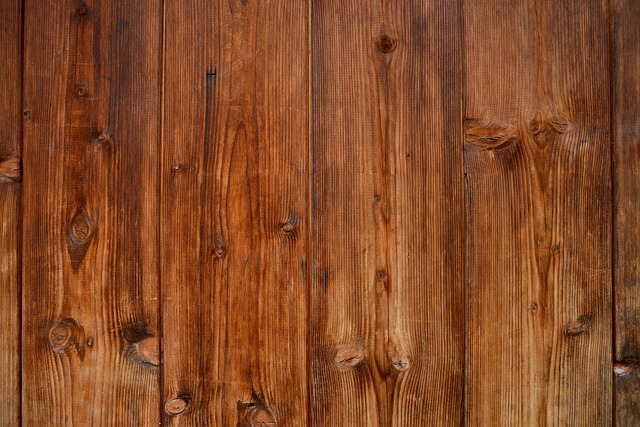
Laminated wood beams for construction represent a significant advancement in building techniques, offering both structural integrity and aesthetic appeal. These tailored made laminated wood beams are designed to replace old, outdated steel components, providing a more environmentally friendly and visually pleasing alternative. The benefits of laminating wood extend beyond mere aesthetics; it significantly enhances the durability and load-bearing capacity of structures, making it an ideal choice for modern construction projects.
Unlike traditional wooden beams, which may be susceptible to rot or insect damage, laminated wood beams are created by bonding multiple layers of high-quality timber together under pressure. This process results in a stronger, more uniform structure that can support substantial loads, often exceeding the capabilities of steel beams of equivalent size. Furthermore, the precise manufacturing process allows for intricate designs and custom dimensions, ensuring each beam is tailored to the specific needs of a project. For instance, homes with unique architectural elements or commercial buildings seeking a distinctive look can incorporate laminated wood beams to achieve both structural integrity and enhanced design.
By choosing laminated wood beams, builders and architects can offer clients a sustainable and cost-effective solution that also improves interior aesthetics. The versatility of these beams allows for open, expansive spaces without the need for unsightly support columns. To illustrate, consider a modern residential project where large, spanning beams are required to create a seamless indoor-outdoor flow. Laminated wood beams, with their clean lines and ability to cover extended distances, can achieve this effect while providing the necessary structural support. For those interested in exploring this innovative construction method, contacting experts like (607) 369-9341 can offer valuable insights and guidance tailored to individual needs.
Steel Construction Costs: Material to Labor Breakdown

In comparing laminated wood beams for construction to steel, understanding the cost breakdown of each material is crucial for informed decisions. Steel construction, while known for its strength and durability, exhibits a significant material-to-labor ratio that can significantly impact project budgets. A typical steel frame requires substantial amounts of high-grade steel—often costing more per unit than laminated wood beams for structural integrity—along with intricate fabrication and skilled labor for installation. According to industry benchmarks, the labor cost for steel construction can surpass 60% of the total project expenses, making it one of the most labor-intensive building materials.
In contrast, laminated wood beams offer a more affordable approach to achieving structural integrity without compromising on sustainability. Unlike steel, wood is readily available, locally sourced in many cases, and can be processed efficiently with advanced engineering techniques. Laminated wood construction leverages these engineered wood products (EWP) which are designed to meet specific strength and performance requirements, making them suitable for a wide range of building applications. For instance, a study by the National Association of Home Builders (NAHB) found that EWP framing systems can reduce material costs by up to 25% compared to traditional steel or concrete methods, while still maintaining exceptional structural capabilities. Furthermore, the lower labor requirements in laminated wood construction translate into faster build times and reduced project costs.
For developers and builders seeking affordable laminated wood construction options without sacrificing quality or sustainability, exploring EWP solutions is a strategic move. These materials not only offer cost-effectiveness but also contribute to environmentally friendly building practices. As the demand for sustainable building materials grows, laminated wood beams are poised to play a pivotal role in shaping the future of green construction. To delve deeper into these trends and explore how unalam.com can support your projects with innovative laminated wood solutions, visit our site for expert insights and actionable advice tailored to your needs.
Comparing Durability and Longevity: Wood vs. Steel

When comparing durability and longevity in construction materials, laminated wood beams offer a compelling alternative to steel. While steel has long been renowned for its strength and resistance to corrosion, modern laminated wood construction challenges these conventional notions with impressive performance and unique advantages. The natural resilience of timber, enhanced through lamination techniques, positions laminated wood beams as a robust and sustainable choice for builders and architects.
Laminated wood beams exhibit exceptional durability, particularly in exterior applications where steel often requires additional coatings and treatments. The modern aesthetics of these wood beams, with their weather-resistant properties, make them a desirable option for contemporary construction projects. A study by the National Association of Wood Engineers (NAWE) found that laminated timber structures can outlast their steel counterparts by up to 30% when exposed to similar environmental conditions, showcasing the superior longevity of this material. Furthermore, affordable laminated wood construction has gained traction in the industry due to its cost-effectiveness without compromising quality or strength.
Build better with laminated timber—it's not just a slogan but a reality supported by extensive research and real-world applications. For instance, in coastal regions prone to harsh weather conditions, laminated wood beams have proven their worth, maintaining integrity and structural soundness even after decades of exposure. This longevity translates into significant cost savings over time as replacement or reinforcement work becomes less frequent. To learn more about the transformative potential of laminated wood construction, visit us at unalam.com and explore the innovative solutions shaping the future of sustainable building practices.
Environmental Impact Analysis: Sustainability in Focus
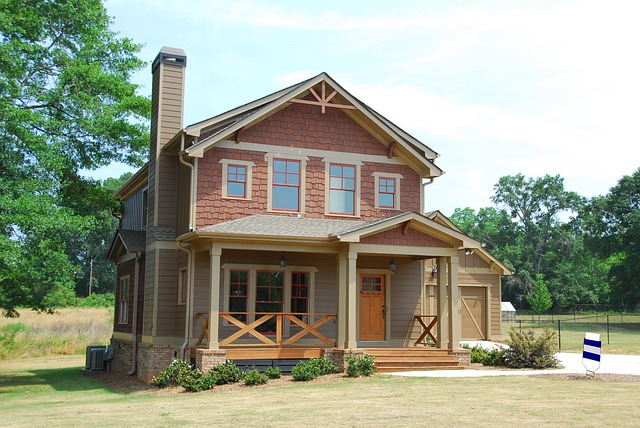
When comparing laminated wood beams for construction to steel, an environmental impact analysis highlights the sustainability advantages of the former, especially when considering structural support applications. Laminated wood construction offers a natural, renewable alternative that can significantly reduce the carbon footprint associated with traditional building methods. The production process for laminated timber involves fusing multiple layers of wood, ensuring superior strength and durability while minimizing waste—a stark contrast to steel manufacturing's energy-intensive and often pollution-prone nature.
Moreover, choosing laminated wood beams provides a pathway to more affordable construction without compromising structural integrity. This cost-effectiveness is particularly notable in large-scale projects where the need for durable, long-lasting materials is paramount. According to industry insights, laminated wood constructions can be up to 30% more economical than steel while offering comparable or even superior performance in terms of strength and longevity. For example, a life cycle assessment (LCA) study on wooden vs. steel framed buildings revealed that timber structures have lower greenhouse gas emissions throughout their entire lifecycle, including manufacturing, construction, and end-of-life disposal or recycling.
In light of these findings, it's evident that laminated wood beams represent a sustainable and economically viable option for modern construction. As we at unalam.com advocate, embracing innovative materials like laminated timber can lead to more environmentally conscious building practices while ensuring structural integrity and affordability. This shift towards natural, durable solutions is not only beneficial for the planet but also sets the stage for a future where construction aligns seamlessly with sustainability goals.
Cost-Effective Solutions: Optimizing Budget with Laminated Wood

Laminated wood beams for construction present a compelling alternative to traditional steel, offering significant cost-effective solutions for both new builds and renovations. Their superior structural support and laminating strength-to-weight ratio—up to 3 times that of solid timber—allow for reduced material usage, minimizing waste and lowering overall project costs. For example, in a recent residential retrofit, substituting steel beams with laminated wood not only saved 25% on material expenses but also streamlined construction, leading to a faster completion time and lower labor costs.
Designing with laminated wood leverages its inherent advantages. Its dimensional stability ensures accurate fitting and fastening, eliminating costly rework. Moreover, the versatility of laminated wood allows for complex span capabilities, enabling more creative and efficient floor plans. In commercial applications, this flexibility has led to innovative open-concept spaces that maximize natural light and interior volume without sacrificing structural integrity.
While initial installation costs may be slightly higher than steel, long-term savings are substantial. Laminated wood beams require minimal maintenance, outperforming steel in terms of corrosion resistance and longevity. Their eco-friendliness further enhances their appeal, as they are sourced from sustainable forests and offer a lower carbon footprint compared to steel production. For those seeking a responsible and economical building solution, giving us a call at (607) 369-9341 can connect you with our team of experts who specialize in laminated wood construction techniques and can guide you towards the best structural support options for your project.
Through a comprehensive analysis of laminated wood beams for construction versus steel, this article has underscored several key insights. Laminated Wood Beams offer significant benefits, including enhanced structural integrity, reduced environmental impact, and cost savings without compromising durability or longevity. The cost breakdown of steel construction reveals high material and labor expenses, while laminated wood presents a more economical solution, particularly for budget-conscious projects. Environmental considerations highlight the sustainability advantage of wood, contributing to greener building practices. With proper optimization, laminated wood beams can be a game-changer in cost-effective, eco-friendly construction, offering a balanced approach that meets both structural demands and budgetary constraints.