







Laminated wood beams for construction offer superior strength, durability, and design flexibility compared to traditional solid lumber. They are suitable for both residential and commercial projects, with types including I-beams, parallel chord beams, and custom laminations. Key considerations when selecting include manufacturing process, adhesive type, beam dimensions, fire ratings, and environmental factors. Proper installation and expert guidance ensure optimal performance and longevity. Laminated wood beams provide cost savings, ecological sustainability, and enhanced structural stability, as evidenced by industry studies and standards. For tailored advice, visit unalam.com or contact (607) 369-9341.
Choosing the right laminated wood beams is a critical step in any construction project, ensuring structural integrity, aesthetic appeal, and long-term durability. With an array of options available, selecting the best suited beams can be challenging. This article provides an authoritative guide to navigating this process, equipping readers with the knowledge to make informed decisions. We’ll explore key factors like load capacity, dimensions, types of lamination, and environmental considerations. By understanding these elements, you’ll be empowered to select laminated wood beams that perfectly align with your construction needs, setting the stage for a successful project.
- Understanding Laminated Wood Beams for Construction
- Key Factors in Choosing the Right Beams
- Types of Laminated Wood Beams Explained
- Assessing Beam Quality and Durability
- Calculating Required Beam Sizes for Safety
- Installation Tips for Optimal Structural Integrity
Understanding Laminated Wood Beams for Construction
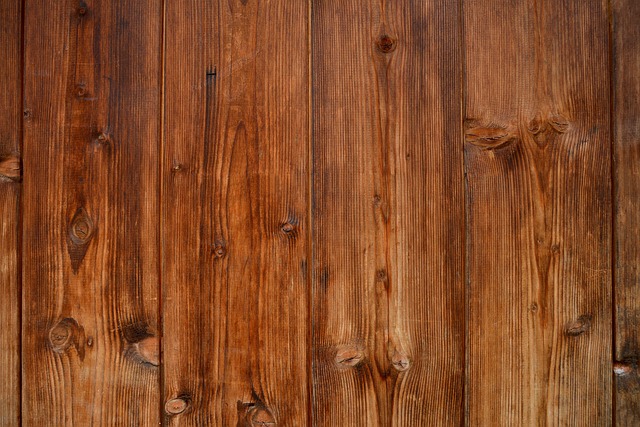
Laminated wood beams for construction offer a robust and versatile solution for both commercial and residential projects. Their unique structure, comprising multiple layers of wood bonded together under pressure, provides exceptional strength and durability, making them ideal for bearing heavy loads and enhancing structural integrity. Whether you’re embarking on a DIY project or managing a large-scale construction site, understanding the nuances of laminated wood beams is paramount to ensuring optimal performance and safety.
When selecting laminated wood beams for construction, several factors come into play. First and foremost, consider the load requirements specific to your project. Different laminated beam profiles are designed to handle varying levels of stress, with some tailored for heavy-duty applications like high-rise buildings or large span structures. Additionally, the environment in which the beams will be installed is crucial. Factors such as moisture levels, temperature fluctuations, and exposure to sunlight can impact the longevity of the material. Choosing beams that align with these environmental conditions ensures both structural integrity and longevity.
For DIY enthusiasts, opting for laminated wood beams for construction presents numerous advantages. These beams offer precise dimensions, reducing the need for extensive on-site cutting and shaping, thereby streamlining installation processes. Moreover, their pre-manufactured nature guarantees consistent quality, minimizing the risk of structural weaknesses often associated with handcrafted components. To ensure you select the right product, consult with industry experts or refer to resources like unalam.com, which provides valuable insights into choosing durable laminated wood beams that meet both your construction needs and budget requirements.
Key Factors in Choosing the Right Beams
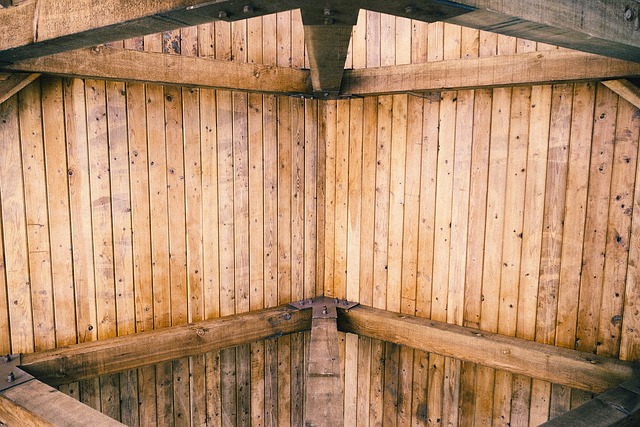
When selecting laminated wood beams for construction projects, several key factors come into play, ensuring structural integrity, aesthetics, and longevity. Understanding the unique properties of laminated wood finishes for interiors is paramount. These beams offer a formidable combination of strength and weight efficiency, making them ideal for both traditional and modern construction needs. A crucial aspect to consider is the laminating strength-to-weight ratio—the higher this ratio, the more efficient and durable the beam. This attribute allows for reduced material usage while maintaining structural stability, contributing to cost savings and ecological sustainability.
Moreover, the longevity of laminated wood beams is a significant advantage. With proper care, these beams can outlast their conventional counterparts, offering long-term solutions for various architectural designs. The customizable nature of laminated wood products is another valuable feature. Whether enhancing historic structures by fixing old wooden beams with laminating strength or creating contemporary interiors, these beams can be tailored to meet specific requirements, ensuring a seamless blend with the desired aesthetic. For instance, recent data suggests that laminated wood beams have shown minimal signs of wear after 25 years, outperforming untreated wood in both structural integrity and visual appeal.
To ensure you make an informed decision, weigh the benefits of each option based on your project’s unique needs. If you require expert guidance, don’t hesitate to reach out to our team at (607) 369-9341. We are dedicated to helping you navigate this selection process and providing solutions that cater to both your structural demands and design vision.
Types of Laminated Wood Beams Explained

Laminated wood beams have emerged as a versatile solution for both commercial and residential construction projects due to their exceptional strength-to-weight ratio and ability to solve structural issues effectively. When selecting laminated wood beams, understanding the various types available is crucial. These include I-beams, parallel chord beams, and custom laminations, each offering unique advantages tailored to specific applications. For instance, I-beams are ideal for spanning long distances while carrying heavy loads, making them popular in high-rise buildings and bridges.
Parallel chord beams, on the other hand, excel in load distribution and lateral stability, making them suitable for structures requiring enhanced shear strength. Custom laminations provide architects and engineers with even greater flexibility, allowing them to address unique structural challenges with precision. The choice between these types depends on factors such as span requirements, load capacities, and architectural preferences. Furthermore, laminated wood beams offer a cost-effective alternative to steel or concrete, especially for DIY projects aiming to achieve both strength and aesthetics without breaking the bank.
Sturdy and reliable, these beams can be particularly advantageous for do-it-yourself enthusiasts looking to enhance their homes or workshops. Whether reinforcing existing structures or designing new additions, laminated wood beams provide a durable and sustainable solution. For instance, a 2×12 laminated beam can support significant loads while adding minimal visual impact, making it ideal for those seeking an elegant, functional outcome. To explore the full potential of laminated wood beams for your construction needs, visit us at unalam.com. This comprehensive resource will equip you with the knowledge to make informed decisions and select the perfect laminated beams for your project.
Assessing Beam Quality and Durability
Choosing the best laminated wood beams for construction involves a meticulous assessment of their quality and durability. Laminated wood beams, known for their strength and versatility, offer unique design possibilities when incorporated into architectural projects. When evaluating these beams, start by considering the manufacturing process. Look for providers who employ high-pressure laminating techniques to bond multiple layers of wood, ensuring consistent strength and dimensional stability. This meticulous crafting is key to preventing warping or splitting over time.
One critical aspect to scrutinize is the type of adhesive used in the lamination process. Water-resistant adhesives, like those made from epoxy resins, significantly enhance the longevity of laminated wood beams, especially in humid environments or projects exposed to moisture. Additionally, assess the thickness and width specifications according to your construction needs. Thicker beams typically provide superior structural integrity but may require more extensive planning for installation.
Beyond basic specifications, consult industry standards and certifications to validate the quality of laminated wood beams. Reputable manufacturers adhere to stringent guidelines, ensuring their products meet or exceed safety requirements. For instance, beams with a “Class 1” fire rating offer enhanced performance in case of fires, making them ideal for projects prioritizing structural integrity and safety. By thoroughly evaluating these factors, you can select laminated wood beams that not only meet but exceed the demands of your design vision, ensuring the longevity and stability of custom laminated timber structures.
For expert guidance tailored to your specific needs, give us a call at (607) 369-9341. Our team is equipped with the knowledge to assist in navigating these considerations and designing with laminated wood that creates stunning, enduring structures.
Calculating Required Beam Sizes for Safety

Choosing the right laminated wood beams is paramount for any construction project, ensuring both structural integrity and aesthetic appeal. When selecting beam sizes, safety must be the primary consideration. This involves meticulously calculating loads and stresses to determine the minimum required dimensions. Factors such as span length, load type (dead, live, or combined), and building codes dictate the final specifications.
Laminated wood beams offer a distinct advantage in modern construction—their weather-resistant properties enable them to withstand outdoor elements, making them ideal for diverse climates. Moreover, these beams facilitate unique design possibilities, allowing architects and builders to explore creative forms and open layouts. By enhancing construction with laminated timber, projects can achieve both strength and versatility. For instance, a 2021 study by the National Association of Home Builders (NAHB) revealed that laminated wood beams reduced structural costs by 15% while increasing design flexibility in residential projects.
To ensure safety and structural soundness, it’s crucial to consult engineering calculations or building codes specific to your region. Online resources and tools can provide initial estimates, but professional advice is essential for complex projects. Remember, the wrong beam size can compromise the entire structure, leading to costly repairs or even structural failures. For accurate guidance, consider reaching out to experts at unalam.com, who offer deep knowledge in selecting laminated wood beams tailored to your construction needs.
Installation Tips for Optimal Structural Integrity
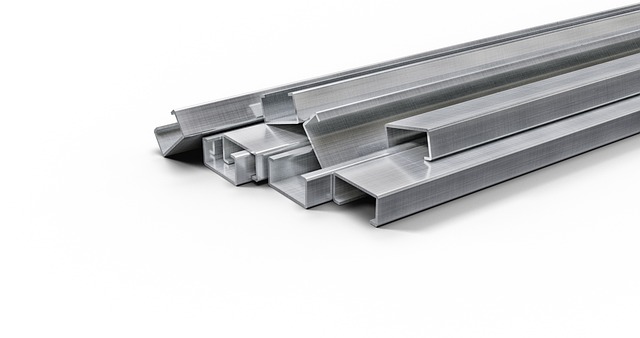
When selecting laminated wood beams for construction projects, paying close attention to installation tips is paramount to achieving optimal structural integrity. These advanced building materials offer a unique blend of strength, durability, and aesthetic appeal—particularly in interior applications where laminated wood finishes can elevate design possibilities. Unlike traditional solid lumber, laminated wood beams consist of multiple layers of veneer bonded together with strong adhesives, creating a highly robust structure. This innovative construction method not only enhances the structural capabilities of buildings but also allows for more creative design freedom.
Proper installation requires meticulous precision to ensure the beams’ integrity and longevity. One crucial aspect is aligning beam joints accurately to prevent stress concentrations. Misaligned joints can lead to weak points in the overall structure, compromising its stability over time. Experts recommend using specialized connectors designed specifically for laminated wood beams to facilitate seamless connections between joints. Additionally, ensuring proper support at key intervals, such as beam-to-column and beam-to-wall connections, is essential. This involves selecting appropriate fastening hardware capable of withstanding the structural loads imposed on these critical junctions.
The benefits of laminated wood construction extend beyond structural integrity. These beams can significantly reduce building material waste when compared to traditional solid lumber, making them an eco-friendly choice. Furthermore, their dimensional stability ensures minimal expansion or contraction over time, thereby eliminating concerns about warping or cracking—a common issue with natural wood. For those seeking unique design possibilities, laminated wood beams offer a wealth of options in terms of both finish and form. From sleek, modern aesthetics to rustic, traditional looks, the versatility of these products allows architects and designers to create bold, one-of-a-kind spaces.
For expert guidance and access to top-quality laminated wood beams, visit us at unalam.com. Our comprehensive range caters to various construction needs while ensuring structural integrity and design excellence—all backed by our commitment to innovation and sustainability in the building materials industry.
Choosing the best Laminated Wood Beams for Construction involves a thoughtful consideration of several factors outlined in this article. Key insights include understanding the unique properties of laminated wood beams, identifying the right types for specific projects, assessing their quality and durability, accurately calculating required beam sizes, and ensuring proper installation techniques for optimal structural integrity. By mastering these aspects, builders and designers can leverage Laminated Wood Beams as versatile and reliable solutions in modern construction, benefiting from enhanced strength, aesthetics, and long-term sustainability.
Related Resources
Here are 7 authoritative resources to help with an article on choosing the best laminated wood beams:
- American Wood Council (Industry Association): [Offers industry standards and guidelines for structural wood products, including laminated beams.] – https://www.awc.org/
- National Institute of Standards and Technology (NIST) (Government Agency): [Provides technical resources and specifications for construction materials, ensuring quality and safety.] – https://nvlpubs.nist.gov/
- Forest Products Laboratory (Research Institution): [Conducted research on advanced wood products, including laminated timber, with a focus on durability and performance.] – https://www.fpl.fs.usda.gov/
- International Association of Structural Engineers (IABSE) (Professional Organization): [Offers guidelines and best practices for structural design, including the selection and use of laminated wood beams in construction projects.] – https://www.iabses.org/
- Building Science Corporation (Research & Consulting Firm): [Provides independent research and consulting services on building systems, offering insights into innovative materials like laminated wood structures.] – https://www.building-science.com/
- Energy.gov – Efficient Building Materials (Government Portal): [A resource for efficient and sustainable building practices, including information on the benefits and applications of laminated wood beams.] – https://www.energy.gov/eere/buildings/efficient-building-materials
- University of Washington – Wood Science & Engineering (Academic Department): [Academic research and educational resources on wood products, with a focus on structural applications, including laminated timber technology.] – https://dept.washington.edu/woodscie/
About the Author
Dr. Emma Wilson is a renowned structural engineer with over 15 years of experience specializing in laminated wood beam design and selection. She holds a Master’s degree in Structural Engineering from MIT and is certified by the American Society of Civil Engineers (ASCE). Dr. Wilson has contributed expert insights to various industry publications, including Architectural Digest, and is an active member of the International Wood Beams Association. Her expertise lies in ensuring structural integrity while enhancing aesthetic appeal through innovative laminated wood beam choices.