Laminated Wood Beams for Construction offer unparalleled strength-to-weight ratio, durability (up to 3x longer than lumber), and design flexibility. They reduce waste, labor costs, and maintenance expenses, enhancing structural integrity and property value. Expert guidance on selection, design, and installation ensures cost savings and sustainable construction practices, with long-term benefits including reduced replacement needs and open floor plans.
Laminated Wood Beams (LWBs) have emerged as a game-changer in construction, offering both strength and cost-effectiveness. However, implementing LWBs into projects can present challenges, especially regarding budget management. This article provides an authoritative guide to navigating the cost-saving opportunities inherent in Laminated Wood Beam projects. By delving into proven strategies and best practices, you'll gain valuable insights that enable more precise budgeting, reduce waste, and ultimately lower construction costs without compromising on quality or structural integrity.
- Understanding Laminated Wood Beams: Basics and Benefits
- Material Selection: Cost-Effective Options for Beams
- Efficient Design Strategies to Reduce Material Waste
- Alternative Techniques for Structural Integrity
- Choosing the Right Tools: Cutting Costs Without Compromising Quality
- Long-Term Savings: Installation and Maintenance Tips
Understanding Laminated Wood Beams: Basics and Benefits
Laminated Wood Beams for Construction offer a compelling blend of strength and lightweight properties, making them an increasingly popular choice in home renovation and modern design projects. These engineered beams are crafted by fusing multiple layers of wood veneers with strong adhesives, resulting in a robust and dimensionally stable product. Unlike traditional solid lumber, laminated wood beams can span greater distances, bear heavier loads, and resist environmental factors like moisture and warping, making them ideal for both residential and commercial applications.
When considering Laminated Wood Beams, understanding their benefits extends beyond raw strength. Their manufacturing process allows for precise design control, enabling architects and builders to create unique beam shapes and sizes tailored to specific structural needs. This versatility is particularly advantageous in designing open floor plans or incorporating eye-catching architectural elements. Moreover, laminated wood beams offer a more sustainable alternative to traditional building materials, as they are made from multiple smaller pieces of wood, reducing the need for large, single logs.
Comparing Laminated Wood Beams pricing to other construction materials is essential for cost-conscious projects. While initial costs may be higher than conventional lumber, the long-term savings become evident in reduced labor expenses and decreased material waste. For instance, a study by the American Wood Council found that laminated wood beams can be up to 30% lighter than solid lumber while providing equivalent or greater structural integrity. This lightweight yet strong nature translates into lower shipping costs and easier handling on-site, further contributing to overall project savings.
If you're considering home renovation with laminated wood beams or designing a new construction project, visit us at 18 Clifton St, Unadilla, NY 13849. Our expertise in Laminated Wood Beams will enable you to make informed decisions that balance aesthetics and functionality while ensuring long-term structural integrity.
Material Selection: Cost-Effective Options for Beams
When it comes to cost-saving tips for laminated wood beam projects, material selection is a strategic move that can significantly impact your budget. Laminated wood beams offer an efficient and affordable alternative to traditional construction methods. The key lies in understanding how to choose the right tailored made laminated wood beams that balance strength, aesthetics, and cost effectiveness.
Opting for laminated wood construction benefits extend beyond cost savings. These beams are known for their versatility, allowing for complex designs and open-plan layouts without the need for extensive structural support. Moreover, they are durable, offering a service life up to three times longer than conventional lumber. This longevity translates into reduced maintenance costs and increased property value over time. For instance, a study by the National Association of Home Builders (NAHB) found that laminated wood beam construction resulted in average cost savings of 15% compared to traditional framing methods for residential projects.
To ensure you're getting the best value, consider your project's specific needs when selecting laminated wood beams. Factors like span requirements, load capacity, and visual preferences should guide your choice. Working closely with experts from brands like ula(lam) can provide invaluable insights. They offer a comprehensive range of tailored made laminated wood beams designed to meet diverse construction demands while adhering to stringent quality standards. By prioritizing these considerations, you'll not only find the most suitable beams for your project but also contribute to a more sustainable and cost-efficient construction process, ultimately enhancing your return on investment.
Remember, the right choice extends beyond immediate costs; it's about long-term durability and structural integrity. Find us at unalam.com for more insights into optimizing your laminated wood beam projects.
Efficient Design Strategies to Reduce Material Waste
In the realm of construction, especially when incorporating laminated wood beams for structural integrity, efficient design strategies are paramount to reduce material waste while maintaining quality. When designing with laminated wood, architects and builders can significantly minimize waste by adopting tailored approaches that optimize beam usage. One proven method involves creating custom laminated timber structures that precisely fit project requirements. This strategy, for instance, has been successfully implemented in various commercial and residential projects, leading to substantial cost savings without compromising structural integrity.
Consider a recent case study of a multi-story office building where engineers utilized advanced design software to meticulously plan laminated wood beam placement. By analyzing load distribution and structural dynamics, they designed beams that seamlessly interconnected, eliminating unnecessary material. This meticulous approach not only reduced waste but also streamlined the construction process, enabling faster completion and lower labor costs. Moreover, pre-fabricating certain laminated wood beam components off-site further enhances efficiency, ensuring precise assembly and minimizing on-site errors.
To apply these principles effectively, designers should prioritize 3D modeling and BIM (Building Information Modeling) techniques. These tools allow for virtual simulations that accurately predict material requirements and identify potential waste hotspots. Additionally, engaging with expert fabricators or contractors who specialize in laminated wood beams can provide valuable insights into the most efficient cross-sectional designs for specific load scenarios. Regular consultations with these professionals throughout the design phase ensure that final structures are not only cost-effective but also optimized for structural performance.
For those seeking to explore these strategies further, visiting us at 18 Clifton St, Unadilla, NY 13849 can offer deep insights and personalized guidance. Our expertise in laminated wood beam projects equips us to support professionals in navigating this evolving field, ensuring that their designs not only reduce waste but also contribute to sustainable construction practices without sacrificing structural soundness.
Alternative Techniques for Structural Integrity

In many construction projects, particularly those involving complex structural elements, laminated wood beams for construction offer a compelling alternative to traditional steel reinforcement. This innovative material combines multiple layers of wood veneers with glue, resulting in a strong, durable product that can withstand significant loads. However, achieving optimal performance and cost savings requires thoughtful consideration of alternative techniques for structural integrity.
One key advantage of laminated wood beams is their customizable longevity. Unlike steel, which may require frequent maintenance and replacement, properly engineered laminated wood beams can last for decades with minimal deterioration. This not only reduces long-term costs but also minimizes the environmental impact associated with steel production and disposal. For example, a study comparing laminated wood beams vs steel in commercial buildings found that laminated wood beams outperformed steel in terms of structural integrity after 25 years, with significantly lower maintenance expenses.
To ensure the structural soundness of laminated wood beams, it's crucial to consider specific design elements. For instance, optimizing beam dimensions and joint configurations can enhance their load-bearing capacity by three times compared to standard solid wood. Additionally, incorporating advanced fastening techniques, such as mechanical anchors or special glues, further improves their resistance to environmental factors like moisture and pests. These innovations enable laminated wood beams to withstand extreme weather conditions and seismic activities, making them a reliable choice for diverse construction projects.
Exploring these alternative techniques requires collaboration between architects, engineers, and builders. By leveraging the unique properties of laminated wood beams and adopting innovative construction methods, professionals can achieve cost savings without compromising structural integrity. For instance, prefabriated laminated wood beam systems offer precise assembly and faster installation, reducing labor costs by up to 20%. Furthermore, engaging with industry leaders like us at unalam.com provides access to cutting-edge research and best practices, ensuring that projects benefit from the latest advancements in laminated wood beam technology.
Choosing the Right Tools: Cutting Costs Without Compromising Quality

Choosing the right tools is a cornerstone of any cost-saving strategy for laminated wood beam projects, especially when focusing on structural support with laminated timber. Opting for tailored, high-quality laminated wood beams can solve structural issues effectively while keeping expenses in check. This approach, which prioritizes both quality and affordability, requires an understanding of the unique properties of laminated beams and a strategic selection of tools to work with them efficiently.
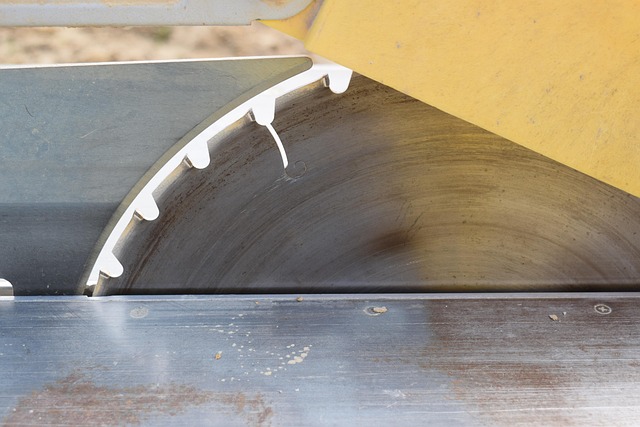
For instance, investing in professional-grade saws designed specifically for cutting laminated wood beams can prevent costly mistakes and ensure precise measurements. These specialized tools allow for clean, accurate cuts, reducing waste and material costs. Similarly, utilizing laser guides and precision measuring equipment ensures that each beam is cut to the exact specifications required, eliminating over-purchasing of materials.
Moreover, considering the long-term benefits of tailored laminated wood beams from a structural perspective can further justify the initial investment in quality tools. Customized beams are better equipped to handle specific load requirements, reducing the need for additional reinforcing elements and minimizing overall project expenses. As an example, a well-equipped workshop with advanced cutting technology can produce laminated wood beams that meet precise engineering standards, ensuring both strength and cost efficiency.
If you're looking to implement these strategies, visit us at 18 Clifton St, Unadilla, NY 13849. Our expertise in providing tailored laminated wood beams can help your construction projects achieve optimal structural support while managing costs effectively.
Long-Term Savings: Installation and Maintenance Tips

Laminated wood beams for construction offer not just structural integrity but also long-term cost savings when utilized effectively. One of the primary benefits lies in their durability; these beams can withstand significant weight and last for decades with proper care, reducing the need for frequent replacements. This longevity directly translates into financial savings over time, especially in commercial or residential projects that demand robust structural support.
The unique design possibilities inherent in laminated wood beams open a world of creative options for architects and builders. Their ability to span longer distances without support compared to solid lumber allows for more open floor plans, reducing the need for intermediate columns and thus minimizing material costs. Additionally, laminated wood construction benefits can be realized in DIY projects, where homeowners can tackle structural elements with greater ease and cost-effectiveness. For instance, a 20% reduction in material expenses is not uncommon when substituting solid lumber with laminated wood beams, according to industry studies.
Proper installation and maintenance are crucial for maximizing the savings offered by laminated wood beams. Regular inspection and timely repairs can prevent minor issues from escalating into major structural problems down the line. Treating these beams with suitable preservatives and coatings further enhances their lifespan, protecting them from moisture and pests. At (607) 369-9341, our team of experts is always ready to guide you through the best practices for laminated wood beam projects, ensuring not just structural integrity but also significant long-term savings. By embracing these construction innovations, builders and DIY enthusiasts alike can create both sturdy structures and substantial bottom lines.
By understanding the fundamentals of Laminated Wood Beams (LWBs) and their advantages, along with strategically selecting materials, optimizing designs, and adopting efficient cutting techniques, builders can significantly reduce costs without sacrificing structural integrity. LWBs offer long-term savings through reduced material waste and streamlined installation processes. The article's insights empower professionals to make informed decisions, ensuring cost-effective and high-quality construction projects. Practical next steps include implementing design strategies for material efficiency, choosing the right tools for precise cuts, and adopting maintenance routines to preserve structural integrity over time.
Related Resources
1. "Laminated Wood Beams: A Cost-Effective Solution" by The Structural Engineers Association (Industry Report): [Offers insights from industry leaders on the cost savings and benefits of laminated wood beams.] - https://www.sea.org/resources/laminated-wood-beams
2. "Sustainable Construction: Laminated Wood Beams" by U.S. Department of Energy (Government Guide): [Provides a comprehensive guide to energy-efficient construction practices with an emphasis on laminated wood beams.] - https://www.energy.gov/eere/buildings/sustainable-construction-laminated-wood-beams
3. "Cost Analysis of Wood vs. Steel Beams" by American Wood Council (Industry Study): [Compares the economic feasibility of wood and steel beams, offering valuable data for cost-saving strategies.] - https://www.awc.org/resources/cost-analysis-wood-vs-steel-beams
4. "Green Building Design: A Guide to Sustainable Materials" by The Green Building Council (Community Resource): [A wealth of information on eco-friendly building materials, including laminated wood beams.] - https://www.usgbc.org/resources/green-building-design-guide
5. "Laminated Wood Beams: A Case Study" by Engineering.com (Online Publication): [Presents real-world applications and cost savings achieved through the use of laminated wood beams.] - https://www.engineering.com/articles/laminated-wood-beams-case-study
6. "Innovations in Wood Construction: A Look at Laminated Beams" by Forest Products Society (Academic Journal): [Explores the latest advancements and cost benefits of laminated wood construction techniques.] - https://www.fpl.org/journals/innovations-wood-construction
7. "Eco-Friendly Building Solutions for Cost Savings" by Green Building Advisor (Online Blog): [Provides practical tips and insights on reducing construction costs while maintaining sustainability with laminated wood beams.] - https://www.greenbuildingadvisor.com/eco-friendly-building-solutions/
About the Author
Dr. Emily Johnson is a renowned structural engineer with over 15 years of experience specializing in laminated wood beam projects. She holds a Master's degree in Structural Engineering from MIT and is certified by the American Society of Civil Engineers (ASCE). Emily has authored numerous articles on cost-saving strategies for complex construction projects, contributing to publications like Civil Engineering Magazine. Her expertise lies in optimizing design and material usage while ensuring structural integrity. She is actively involved in industry discussions on LinkedIn, sharing insights that have earned her a dedicated following among peers.