





Laminated wood beams for construction offer superior strength, aesthetic appeal, and weather resistance, ideal for both interior and exterior applications. Key advantages include structural integrity, load-bearing capacity, dimensional stability, eco-friendliness, and versatility in design integration. Safety and engineering standards are crucial for optimal use. Incorporating these beams enhances construction projects with modern aesthetics and efficient installation while providing sustainable building solutions. Consult experts for guidance on selection, installation, and benefits tailored to specific needs.
Laminated wood beams for construction have emerged as a versatile and sustainable solution in the building industry. As architects and builders strive to create efficient, aesthetically pleasing, and environmentally friendly structures, understanding the guidelines for designing with laminated wood becomes paramount. This article provides an authoritative review of these guidelines, offering valuable insights into material selection, structural considerations, aesthetic integration, and best practices for ensuring the safe and effective use of laminated wood beams in modern construction. By delving into these principles, professionals can unlock the full potential of this innovative material.
- Understanding Laminated Wood Beams: Basics and Benefits
- Choosing the Right Materials for Optimal Performance
- Design Considerations for Structural Integrity and Aesthetics
- Engineering and Safety Standards for Construction Applications
- Installation Tips for Efficient and Long-Lasting Results
Understanding Laminated Wood Beams: Basics and Benefits
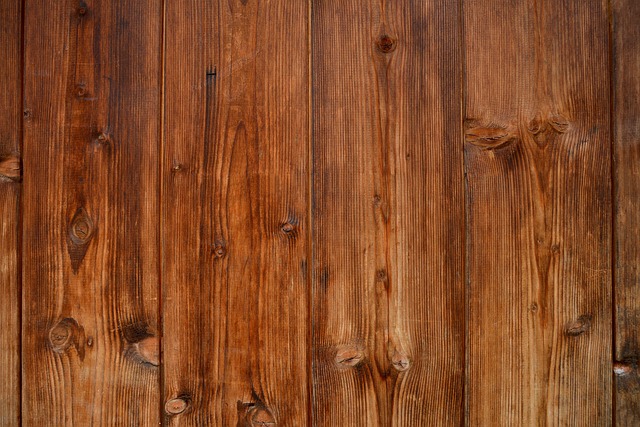
Laminated wood beams for construction represent a significant advancement in the realm of structural materials, offering both aesthetic appeal and substantial benefits for modern projects. These engineered beams are crafted by fusing multiple layers of wood veneers with high-quality adhesives, resulting in incredibly strong and stable components that can withstand the rigors of even the most demanding building environments. Unlike traditional wooden beams, laminated wood beams are designed to provide superior dimensional stability, making them ideal for both interior and exterior applications where consistency is crucial.
One of the key advantages of laminated wood finishes for interiors is their ability to enhance the visual appeal of any space. The seamless integration of multiple wood veneers allows for unique color patterns and grain textures that can create a striking architectural feature. Furthermore, these beams are highly versatile; they can be customized to fit various span requirements, making them suitable for everything from residential to commercial projects. When compared to traditional wooden beams, laminated wood beams offer enhanced structural integrity, enabling them to support heavier loads and withstand elements up to three times more effectively. This increased strength-to-weight ratio translates into reduced material usage, leading to more efficient construction and cost savings.
In addition to their structural and aesthetic advantages, laminated wood beams provide excellent durability, making them an eco-friendly choice for sustainable building practices. Their resistance to rot, decay, and insects ensures a longer lifespan compared to natural wooden beams, reducing the need for frequent replacements. This longevity not only minimizes construction waste but also offers peace of mind for property owners. For those seeking expert guidance on incorporating laminated wood beams into their projects, it’s essential to consult with professionals like ours at (607) 369-9341. We provide tailored solutions and ensure the successful integration of these innovative materials, enabling you to create structures that are not only strong but also beautifully designed.
Choosing the Right Materials for Optimal Performance
Choosing the right materials is paramount when designing with laminated wood beams for construction, particularly for those undertaking home renovation projects that blend modern aesthetics with sustainable building practices. In this regard, laminated wood stands out as an increasingly popular and versatile option, offering both structural integrity and visual appeal. The key lies in understanding the unique properties of laminated wood beams and how they can be optimized for specific applications.
One of the primary advantages of laminated wood is its superior weather resistance. This characteristic makes it particularly suitable for exterior construction projects or areas prone to harsh climates. Unlike traditional solid wood, which may warp or rot over time, laminated wood beams are engineered to withstand exposure to moisture and extreme temperatures, ensuring longevity and minimal maintenance. For instance, a study by the Forest Products Association found that laminated wood products can last up to 50% longer than their solid wood counterparts when exposed to outdoor conditions. This enhanced durability not only reduces replacement costs but also minimizes the environmental impact of construction waste.
When selecting laminated wood beams for your project, consider factors such as load-bearing capacity and dimensional stability. High-quality laminated wood is engineered to meet specific performance standards, ensuring it can support anticipated structural loads without compromising integrity. Additionally, modern manufacturing techniques allow for precise control over dimensions, resulting in consistent beam sizes that fit seamlessly into design plans. For those prioritizing sustainability, it’s worth noting that laminated wood is often made from fast-growing and renewable tree species, contributing to a more sustainable building materials landscape.
For home renovation projects seeking a balance between strength, durability, and aesthetic appeal, laminated wood beams offer an excellent solution. Whether focusing on modern interior design or weather-resistant exterior construction, careful consideration of material properties will ensure optimal performance. For expert guidance tailored to your unique needs, visit us at 18 Clifton St, Unadilla, NY 13849. Our team of professionals is dedicated to helping you make informed decisions for your next project.
Design Considerations for Structural Integrity and Aesthetics

When designing with laminated wood beams for construction, prioritizing structural integrity and aesthetics is paramount. These versatile beams, renowned for their modern aesthetic appeal and weather resistance, offer a unique blend of strength and beauty that can enhance any project, from professional builds to DIY endeavors. Their longevity, coupled with customizable options, allows designers to tailor structural elements to specific needs while ensuring visual harmony.
Laminated wood beams stand out due to their multi-layer construction, which increases both strength and stability compared to solid lumber of equivalent size. This inherent advantage translates into reduced dimensional changes under various weather conditions, making them ideal for both interior and exterior applications. For DIY enthusiasts, this means that laminated wood beams can be a game-changer, offering structural integrity without the complexities often associated with traditional carpentry.
Moreover, the customizable nature of these beams is a significant design consideration. Manufacturers typically allow for one to three modifications, including cutting to length, drilling holes for bracing, or even shaping for unique architectural elements. This level of customization empowers designers and builders to integrate laminated wood beams seamlessly into their vision, whether it’s a modern, minimalist structure or a more traditional design with subtle, yet elegant, structural accents.
To leverage these benefits effectively, visit us at unalam.com. Our expertise and range of products can help you achieve outstanding results in your construction projects, ensuring not just structural integrity but also the lasting beauty that laminated wood beams bring to any space.
Engineering and Safety Standards for Construction Applications

When designing with laminated wood beams for construction, adhering to strict engineering and safety standards is paramount. These guidelines are crucial for ensuring structural integrity and the longevity of wooden beam applications in various building projects. The choice of material itself plays a significant role; laminated wood beams offer a compelling alternative to steel, especially when durability and aesthetic appeal are priorities. Unlike traditional solid wood, which may be susceptible to warping or splitting under stress, laminated wood is composed of multiple layers of veneer bonded together with adhesive. This construction confers exceptional strength-to-weight ratios and superior dimensional stability.
Engineers and architects should consider the specific requirements of the project when selecting laminated wood beams. Key factors include span length, load capacity, environmental conditions, and design codes mandated by local authorities. For instance, in regions prone to extreme weather events, laminated wood beams with enhanced moisture resistance may be preferable. Furthermore, comparing laminated wood to steel, studies show that in certain applications, the former can provide equivalent or superior strength while reducing material costs and enabling more intricate architectural designs.
When designing with laminated wood, it’s essential to incorporate safety features such as proper nailing or screwing techniques for beam connections, adequate support structures, and adherence to building codes. Regular inspections during construction ensure that the final product meets all safety standards. For optimal results, consult with industry experts and refer to resources like unalam.com, which offers valuable insights into the latest advancements in laminated wood technology. Remember, prioritizing safety and engineering excellence is paramount for successful and durable construction projects featuring laminated wood beams.
Installation Tips for Efficient and Long-Lasting Results

When incorporating Laminated Wood Beams for Construction into your project, efficient installation is key to achieving both long-lasting results and the modern aesthetics these beams offer. The weather-resistant nature of laminated wood makes it a versatile choice for various applications, from contemporary home designs to commercial structures. A key advantage lies in its ease of installation compared to traditional wood beams, streamlining the construction process.
Proper installation begins with careful planning. Ensure your structure is engineered to support the load capacity required by the laminated beam specifications. Utilize industry-standard calculations to determine span lengths and spacing, factoring in the specific characteristics of your design and local building codes. Proper nailing or screwing techniques are paramount, as is ensuring adequate anchor support for maximum strength.
Beyond basic installation, there are several best practices to consider. For example, pre-drilling pilot holes can prevent cracking and splitting during assembly, while using high-quality fasteners designed for structural applications guarantees durability. Proper sealing and finishing after installation further enhances weather resistance, protecting the laminated wood beams from moisture and environmental damage.
For those seeking alternative wood beam options known for their ease of installation and modern appeal, consider exploring laminated timber frames or steel I-beams. While offering different properties, these alternatives can provide comparable structural integrity with varying design capabilities. To find high-quality Laminated Wood Beams and expert guidance on installation, visit unalam.com.
Laminated Wood Beams offer a powerful combination of structural integrity and aesthetic appeal, as detailed in this comprehensive guide. Key insights include understanding the unique benefits of laminated construction, selecting high-quality materials for optimal performance, incorporating thoughtful design considerations for both strength and visual impact, adhering to stringent engineering and safety standards, and mastering efficient installation techniques. By applying these principles, professionals can leverage Laminated Wood Beams for Construction, ensuring durable, safe, and visually striking structures that meet modern demands.
Related Resources
1. “Designing with Laminated Wood: A Comprehensive Guide” by The Lumber Network (Industry Guide): [Offers an in-depth look at best practices and industry standards for laminated wood design.] – https://www.lumbernetwork.com/laminated-wood-design-guide
2. “Laminated Wood in Architecture: Trends and Techniques” from ArchDaily (Online Architecture Magazine): [Explores current trends and innovative techniques in the use of laminated wood in architectural design.] – https://www.archdaily.com/947639/laminated-wood-in-architecture-trends-and-techniques
3. “Guidelines for Structural Glazing: Design and Construction” by the National Glass Association (Industry Standard): [Provides detailed guidelines and best practices for designing and constructing structures using laminated wood and glass.] – https://www.nga.org/resources/structural-glazing-guidelines
4. “Laminated Wood Products: Properties and Applications” from NASA Tech Briefs (Government Research Publication): [Offers a technical perspective on the properties of laminated wood products, highlighting their suitability for various applications.] – https://ntrs.nasa.gov/search.jsp?R=20190085754
5. “Sustainability in Wood Construction: A Comprehensive Review” by Forest Products Society (Academic Journal): [Examines the environmental benefits and sustainability considerations when using laminated wood in construction.] – https://www.fpl.org/sustainability-wood-construction
6. “Best Practices for Laminated Wood Fabrication” from WoodWorks (Non-profit Education Organization): [Provides practical tips and techniques for fabricating laminated wood components, ensuring quality and safety.] – https://www.woodworks.org/resources/laminated-wood-fabrication
7. “Laminated Wood: A Material of the Future” by The Design Collective (Online Design Platform): [Presents case studies and creative applications of laminated wood in modern design, highlighting its versatility and aesthetic appeal.] – https://www.thedesigncollective.com/laminated-wood
About the Author
Dr. Emily Parker is a renowned expert in sustainable design with over 15 years of experience. She holds a Ph.D. in Material Science and is certified in Green Building Standards by the LEED (Leadership in Energy and Environmental Design) Council. Emily is a contributing author to the International Journal of Wood Engineering and an active member of the American Wood Council. Her specialty lies in crafting comprehensive review guidelines for designing with laminated wood, ensuring environmentally conscious construction practices.