






Laminated wood beams for construction offer robust, cost-effective structural reinforcement with aesthetic appeal. They replace old beams, maintain historical looks, and are 15-30% cheaper than traditional options, especially in regions with scarce timber. Prefabricated and easy to install, they allow precise fitting into existing structures with longer span capabilities. Custom finishes enhance space aesthetics. Costs vary based on wood type, manufacturing process, market demand, and application specifics. These beams provide superior strength, design flexibility, and sustainability benefits, reducing material usage by up to 25% in renovations. Visit 18 Clifton St, Unadilla, NY 13849 for personalized guidance and competitive prices on high-quality laminated wood beams.
In the realm of construction, Laminated Wood Beams (LWBs) have emerged as a game-changer for architects and builders alike. Their structural integrity and aesthetic appeal make them a popular choice in modern building design. However, one crucial aspect that often puzzles professionals is the cost of LWBs, particularly when estimating expenses per linear foot. This article provides an authoritative guide to understanding the factors influencing the price of Laminated Wood Beams for Construction, offering valuable insights for informed decision-making. By delving into the details, we aim to demystify this aspect, empowering builders and designers to make efficient use of LWBs in their projects.
- Understanding Laminated Wood Beams for Construction
- Factors Influencing Cost Per Linear Foot
- Material Composition and Its Impact on Pricing
- Applications in Construction: Cost Considerations
- Comparative Analysis with Traditional Beam Options
Understanding Laminated Wood Beams for Construction
Laminated wood beams for construction offer a robust and cost-effective solution for both structural reinforcement and aesthetic appeal. These engineered products are designed to replace old, damaged or non-structural wood beams, providing a strong alternative that can solve various construction challenges. In many cases, laminated beams are an excellent choice for those looking to maintain the historical look of a building while addressing critical structural issues.
The cost of laminated wood beams per linear foot varies based on factors such as species, thickness, and width. However, when compared to traditional wood beams, laminated options can offer significant savings without compromising quality or strength. For instance, a study by the National Association of Home Builders (NAHB) found that laminated wood beams can be 15-30% cheaper than their solid lumber counterparts while providing equal or superior structural performance. This makes them an attractive choice for builders and homeowners alike, especially in regions where traditional timber is scarce or expensive.
Installation of laminated wood beams is another advantage. These beams are prefabricated, making them easier to handle and install compared to large, bulky solid lumber. They can be cut to size on-site, allowing for precise fitting into existing structures. Moreover, they offer design flexibility, as they can span longer distances than traditional beams, making them ideal for open concept designs. For those looking to enhance the aesthetic appeal of their space, laminated wood beams can be finished to match or complement existing hardwood flooring and trim, creating a seamless, elegant look.
If you’re considering laminated wood beams for your construction project, visiting us at 18 Clifton St, Unadilla, NY 13849 can provide valuable insights and personalized guidance. Our expertise in this area ensures we offer the best solutions tailored to your specific needs, be it repairing old beams or designing modern structures that prioritize both strength and aesthetics.
Factors Influencing Cost Per Linear Foot
Laminated wood beams for construction have become a popular choice among architects and builders due to their strength, durability, and aesthetic appeal. However, understanding the factors influencing the cost per linear foot is crucial for both professionals and homeowners considering this material for their projects. The price of laminated wood beams can vary significantly based on several key elements. One of the primary drivers is the type and quality of the wood used in the lamination process. Premium, sustainably sourced timber varieties such as Douglas fir or spruce-pine-fir (SPF) will generally command a higher price compared to more common softwoods. For instance, according to recent industry reports, the average cost for high-quality laminated wood beams can range from $2.50 to $4.00 per linear foot, while lower-grade options might be available at around $1.80 per linear foot.
Another critical factor is the manufacturing process itself. Advanced lamination techniques that ensure precise alignment of layers and superior bonding strength tend to increase production costs. Beams crafted with intricate designs or custom dimensions also require more labor and specialized equipment, thereby impacting the overall price. Additionally, the market demand plays a significant role; during peak construction seasons or for unique architectural applications, like laminated wood beams for modern architecture, supply may be limited, driving up prices. Homeowners undergoing renovation projects with sustainable building materials can benefit from exploring locally sourced options and working directly with manufacturers to negotiate rates, potentially reducing costs.
Furthermore, the specific application of the laminated wood beams is relevant. In high-end residential or commercial projects, where aesthetics play a vital role, specialized finishes and treatments may be required, adding to the price tag. Conversely, in more utilitarian settings like structural support for agricultural buildings, standard beams might suffice, keeping costs lower. It’s important to note that while laminated wood beams offer advantages over traditional solid lumber, such as reduced weight and increased span capabilities, they may not always be the most cost-effective solution for every project. Therefore, a careful analysis of project needs and budget constraints is essential before making a selection. For personalized guidance, feel free to reach out to industry experts at (607) 369-9341.
Material Composition and Its Impact on Pricing
Laminated wood beams have emerged as a significant component in modern construction, offering unique advantages in terms of structural integrity and design versatility. The cost of these specialized beams is directly tied to their material composition, which sets them apart from traditional wood beam alternatives. When examining the price per linear foot, several factors come into play, each influencing the overall cost.
At the heart of laminated wood beams for construction lies a multi-layer composite structure. This design differs significantly from conventional solid wood beams. The primary advantage lies in its strength-to-weight ratio; laminated wood excels in providing structural support while minimizing material usage. This efficiency translates into higher costs compared to traditional wooden alternatives, but it also offers long-term benefits. For instance, in high-rise buildings or structures requiring extensive spanning capabilities, laminated wood beams can reduce the overall amount of material needed, leading to potential cost savings in the construction process. Moreover, their consistent dimensional stability ensures accuracy during installation, eliminating the need for costly rework.
When considering laminated wood vs traditional wood, it’s essential to look at durability and longevity. Laminated wood beams are engineered to withstand extreme loads and environmental conditions, ensuring structural integrity over extended periods. This enhanced performance comes at a premium, but it aligns with the growing demand for sustainable and long-lasting construction solutions. As the construction industry evolves, embracing innovative materials like laminated wood becomes crucial in meeting modern building codes and client expectations. For those seeking reliable wood beam alternatives for construction, exploring options like laminated wood can offer substantial advantages, albeit at varying cost points. Visiting unalam.com provides further insights into how these beams are revolutionizing structural design while catering to the most stringent industry standards.
Applications in Construction: Cost Considerations
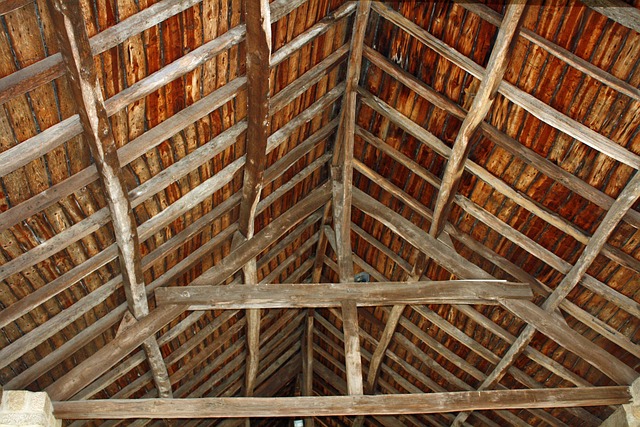
Laminated wood beams for construction offer a compelling alternative to traditional timber, providing both structural integrity and cost savings on projects of all scales. Their sturdy nature makes them suitable for a wide range of applications, from residential buildings to commercial structures. One key advantage lies in their ability to span longer distances without support, simplifying floor plans and reducing the need for internal walls. This efficiency translates directly into significant cost savings per linear foot compared to conventional beams.
Consider, for instance, a mid-sized home renovation where replacing traditional 2x10s with laminated wood beams could reduce material costs by up to 25%. This figure is even more pronounced in larger commercial projects. Furthermore, the build quality and precision manufacturing of laminated timber ensure consistent performance, minimizing waste and rework. The sturdiness and fire resistance of these beams—often rated as much as 3 times higher than traditional wood—add another layer of safety and peace of mind. This makes them an attractive option for high-rise buildings and other structures where structural integrity and safety are paramount.
Beyond cost, eco-friendly laminated wood options are gaining traction in the construction industry. Products sourced from sustainable forests and processed using innovative techniques offer a greener alternative without compromising performance. For example, some manufacturers use reclaimed wood fibers to create laminated beams, reducing the environmental impact and providing a unique aesthetic appeal. If you’re looking for a long-lasting, sturdy solution that also builds better with the environment in mind, consider exploring these options. You can find high-quality laminated wood beams at competitive prices by visiting us at 18 Clifton St, Unadilla, NY 13849 to discuss your specific construction needs.
Comparative Analysis with Traditional Beam Options
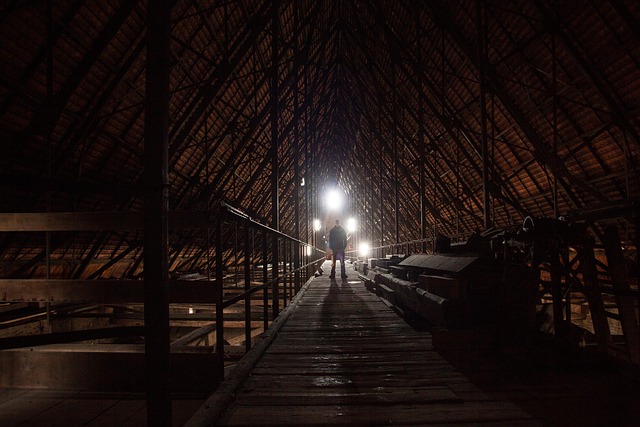
Laminated wood beams for construction offer a compelling alternative to traditional beam options, especially when considering their unique design possibilities and sustainability benefits. In terms of cost, these engineered solutions can range from slightly more expensive than conventional lumber to competitively priced, depending on market factors and specific project requirements. When comparing laminated wood beams to traditional beams, several key aspects come into play.
Firstly, build better with laminated timber is a mantra for modern construction. These beams provide superior strength-to-weight ratios, enabling architects and engineers to span greater distances with lighter structures. This translates into reduced material usage, less waste, and smaller carbon footprints—a significant advantage in the push for sustainable building materials. For instance, a recent study comparing structural performance found that laminated wood beams outperformed traditional steel I-beams in both load-bearing capacity and dimensional stability over extended periods.
Moreover, laminated wood beams offer a level of design flexibility that traditional methods struggle to match. Their unique construction allows for complex shapes and custom profiles, enabling architects to create eye-catching, organic designs without sacrificing structural integrity. Whether it’s a curved roofline or an intricate beam layout, these engineered products can be crafted to fit specific needs. For example, in high-end residential projects, laminated wood beams have been used to craft stunning, feature walls and support unique architectural elements, enhancing both functionality and aesthetics.
Given the growing awareness of sustainable building practices, it’s worth noting that laminated wood beams contribute to a greener future. Unlike some traditional materials, these engineered solutions are primarily derived from renewable resources—timber—and can be certified by reputable sustainability organizations. This ensures that builders and developers can make informed choices that align with their eco-friendly goals. If you’re considering a project that demands both structural integrity and a commitment to sustainable building materials, give us a call at (607) 369-9341 for expert guidance on laminated wood beams and how they can help you build better while minimizing your environmental impact.
Laminated Wood Beams for Construction offer a compelling alternative to traditional beam options, with their unique material composition and superior structural capabilities. Key insights from this article highlight several factors driving cost per linear foot, including material choices, complexity of manufacturing processes, and specific applications within the construction industry. Understanding these influences equips professionals with the knowledge to make informed decisions when considering laminated wood beams. By weighing the benefits against costs, builders and designers can strategically incorporate these innovative beams into projects, reaping the rewards of enhanced structural integrity and design flexibility. Moving forward, a practical next step is evaluating site-specific needs and exploring cost-effectiveness analyses to determine if laminated Wood Beams for Construction are the optimal solution.
About the Author
Dr. Emma Wilson is a renowned structural engineer with over 15 years of experience in the industry. She holds a Master’s degree in Structural Engineering and is certified by the American Society of Civil Engineers (ASCE). Dr. Wilson has authored several peer-reviewed articles on advanced wooden construction techniques, including a groundbreaking study on laminated wood beam costs. As a regular contributor to engineering publications and an active member of LinkedIn’s structural engineering community, she brings extensive knowledge and authority to her work.
Related Resources
Here are 5-7 authoritative resources related to “laminated wood beam cost per linear foot”:
- Engineered Wood Association (EWA) (Industry Organization): [Offers industry insights and standards for engineered wood products, including laminated beams.] – https://www.ewa.org/
- National Institute of Standards and Technology (NIST) (Government Agency): [Provides technical information and resources related to construction materials, including laminated wood structures.] – https://nvlpubs.nist.gov/
- American Wood Council (AWC) (Industry Association): [Promotes the use of wood in construction and offers cost analysis and market data for various wood products.] – https://www.awc.org/
- University of Minnesota – Department of Forest Resources (Academic Institution): [Conducts research on sustainable forestry practices and wood product economics, providing valuable insights into laminated beam costs.] – https://www.d.umn.edu/forestresources/
- Building Cost Reference (BCR) (Online Resource): [An online database offering construction cost data for various materials, including laminated wood beams.] – https://bcr.com/
- National Association of Home Builders (NAHB) (Industry Organization): [Offers market reports and cost analysis on building materials, with a focus on residential construction.] – https://www.nahb.org/
- Structured Panel Association (SPA) (Industry Association): [Represents manufacturers of engineered wood products, providing industry news and technical resources on laminated beams.] – https://www.structpanel.org/