Laminated wood beams for construction offer cost-effective structural strength, enabling longer spans and open interiors. They are sensitive to temperature and humidity changes, requiring careful design to manage expansion. Best practices include selecting proper beam dimensions, using high-quality adhesives, and designing flexible connections. Strategic planning minimizes thermal movement, enhances longevity, and ensures aesthetic appeal. Proper moisture management and advanced joining techniques further strengthen structural integrity. Regular maintenance tailored to climate conditions is crucial for long-term preservation.
Laminated wood beams for construction have gained popularity due to their strength, versatility, and aesthetic appeal. However, one of the primary challenges with laminated wood is minimizing expansion issues. This article delves into the core considerations surrounding this problem, offering a comprehensive guide to help construction professionals navigate the intricacies of laminating wood beams effectively. By understanding the factors contributing to expansion, we'll explore proven strategies to mitigate these issues, ensuring structural integrity and long-lasting performance in various building projects.
- Understanding Laminated Wood Beams: Advantages and Potential Challenges
- Selecting Appropriate Materials for Optimal Expansion Control
- Design Considerations to Minimize Thermal Expansion in Structures
- Effective Moisture Management Strategies for Laminated Wood Beams
- Advanced Joining Techniques for Enhanced Structural Integrity
- Long-Term Care and Maintenance for Reduced Expansion Issues
Understanding Laminated Wood Beams: Advantages and Potential Challenges
Laminated wood beams for construction offer a compelling alternative to traditional steel, especially in scenarios demanding affordable and efficient structural solutions. This innovative material combines multiple layers of wood veneers bonded together under high pressure, creating a strong and stable product with unique advantages. One of its key benefits is cost-effectiveness; laminated wood beams can be produced at lower costs compared to steel, making them an attractive option for budget-conscious construction projects without compromising structural integrity. This affordability doesn't come at the expense of quality; laminated wood beams can span longer distances than traditional lumber, allowing for more open and expansive interior spaces.
While laminated wood beams present numerous benefits, understanding their potential challenges is crucial for successful implementation in construction. One common concern is expansion issues, which arise due to variations in temperature and humidity levels. Unlike steel, wood is sensitive to these environmental factors, leading to dimensional changes that can impact the structural integrity of joints and connections. For instance, during dry seasons or in regions with low humidity, laminated wood beams may shrink slightly, potentially causing gaps at joint locations. Conversely, in humid environments, the wood may swell, putting stress on connections. However, these challenges are not insurmountable; careful design, appropriate detailing, and the use of compatible glues and connectors can significantly minimize expansion-related issues.
To effectively solve structural issues with laminated beams, construction professionals should adopt best practices. This includes selecting the right beam dimensions for specific applications, incorporating adequate lap joints, and using high-quality adhesives specifically designed for laminated wood. Additionally, pre-planning for potential movement is essential; designing flexible connections that allow some degree of adjustment due to expansion or contraction can prevent catastrophic failures. For instance, allowing for minor gap adjustments at joints through the use of adjustable fasteners or incorporating elastic materials can absorb any slight movements without compromising structural integrity. By embracing these strategies, builders and architects can harness the cost-effectiveness and versatility of laminated wood beams while ensuring a robust and reliable construction system. To discuss specific requirements and solutions tailored to your project, give us a call at (607) 369-9341.
Selecting Appropriate Materials for Optimal Expansion Control
The selection of materials plays a pivotal role in mitigating expansion issues with laminated wood beams for construction. When compared to traditional wood options, laminated wood offers a significant advantage due to its inherent stability and predictable dimensional changes. This is particularly beneficial in architectural designs that demand precision and longevity.
Laminated wood beams for modern architecture are characterized by their multi-layered composition, where multiple strips of wood are bonded together with advanced adhesives. This construction ensures uniform strength distribution and minimizes the effects of moisture fluctuations, a primary cause of expansion and contraction in traditional wood. The result? Beams that expand and contract less, ensuring structural integrity over time. For instance, studies have shown that laminated wood beams can maintain their dimensional stability up to 15% more than conventional timber, significantly reducing the risk of structural damage due to thermal movement.
Moreover, the customizable nature of laminated wood is a significant advantage for architects and builders. Beams can be tailored to specific project requirements, offering greater flexibility in design. This adaptability allows for unique architectural elements while ensuring expansion control. For example, larger spans can be achieved with laminated wood beams, enabling open-plan spaces without the need for intermediate supports. The longevity of these beams is also notable; they can outlast traditional wood by up to 50%, according to industry data, making them a sustainable choice for long-term projects.
When considering laminated wood beams, it's essential to source high-quality materials from experts in the field. Companies like Ulaam (find us at unalam.com) specialize in providing advanced laminated wood solutions tailored to modern construction needs. Their expertise ensures that projects benefit from not only enhanced structural integrity but also the aesthetic appeal that laminated wood offers, setting a new standard for architectural design.
Design Considerations to Minimize Thermal Expansion in Structures

In structures featuring laminated wood beams for construction, thermal expansion is a critical design consideration. Wood, including its composite forms like laminated wood, expands and contracts in response to temperature fluctuations. This natural characteristic can lead to structural issues if not addressed during the planning phase, potentially resulting in cracks, misalignments, or even beam failure. To minimize these expansion-related problems, especially in modern architectural designs, engineers and builders must implement strategic design solutions.
One effective approach involves utilizing laminated wood beams with specific dimensions and layouts. By selecting appropriate beam sizes and spacing them correctly, the structural integrity can withstand temperature variations. For instance, wider beams or those with larger cross-sectional areas offer greater stability during thermal cycles. Moreover, ensuring adequate support and fastening mechanisms prevents individual lamina movement, thereby reducing expansion stresses on critical joints. Incorporating these design principles into modern architecture ensures both aesthetic appeal and structural longevity, making laminated wood beams a popular choice for affordable construction options.
In addition to strategic beam selection, alternative wood treatment methods can enhance dimensional stability. Advanced treatments like chemical impregnation or specialized coatings protect the wood from moisture absorption, which is a significant factor in thermal expansion. When combined with precise engineering calculations, these techniques further solidify the case for laminated wood beams as a viable and affordable construction material. For tailored solutions, consult with structural engineers who can provide expert guidance based on project specifics. Give us a call at (607) 369-9341 to explore how these design considerations can be translated into successful construction projects.
Effective Moisture Management Strategies for Laminated Wood Beams

Maintaining structural integrity is paramount when utilizing laminated wood beams for construction, especially as DIY enthusiasts explore their versatility. Effective moisture management plays a pivotal role in mitigating expansion issues that can arise with these innovative building materials. Laminated wood beams, renowned for their strength and dimensional stability, are susceptible to moisture-related challenges if not properly managed. This is particularly important during the initial installation phase when humidity levels and environmental conditions can significantly impact the long-term performance of these beams.
One of the primary strategies involves controlling moisture content within the building envelope. Proper ventilation and insulation are essential to create a dry indoor environment, which helps prevent condensation on the laminated wood beams. For instance, implementing a robust ventilation system in attics and crawl spaces can significantly reduce humidity levels, minimizing the risk of water absorption by the beams. Additionally, insulating exterior walls and floors can help maintain consistent temperatures, reducing the chances of moisture buildup that could cause dimensional changes in the laminated wood beams for structural integrity purposes.
Another cost-effective solution lies in selecting suitable laminating resins and glues designed to resist moisture infiltration. Advanced adhesives formulated with water-resistant properties can enhance the overall durability of laminated wood beams, ensuring they maintain their structural integrity even in humid conditions. Moreover, choosing laminated wood beams from reputable suppliers who adhere to stringent quality control measures can significantly reduce the likelihood of encountering expansion issues. As a DIY enthusiast or professional contractor, staying informed about best practices and leveraging resources like unalam.com can help you navigate the intricacies of moisture management for laminated wood beams, ultimately leading to successful construction projects that stand the test of time.
Advanced Joining Techniques for Enhanced Structural Integrity
To minimize expansion issues with laminated wood, particularly in structural applications like Laminated Wood Beams for Construction, adopting advanced joining techniques is paramount. These techniques not only enhance structural integrity but also mitigate natural variations in material properties that can lead to cracks or warping. One proven method involves utilizing specialized connectors and adhesives designed specifically for cross-laminated timber (CLT) and other laminated wood products. For instance, mechanical fastening with high-strength bolts and screws, along with structural adhesives, ensures a robust bond between layers, allowing for uniform stress distribution and preventing localized concentration that could cause failure.
Affordable laminated wood construction has gained traction due to its lightweight yet strong nature, making it an attractive alternative to traditional building materials. When considering Laminated Wood Beams for Construction, it's crucial to compare different types of beams based on their strength-to-weight ratio and dimensional stability. Data suggests that properly joined laminated wood beams can achieve load capacities comparable to or even exceeding those of steel or concrete while being significantly lighter, leading to reduced material and labor costs. Furthermore, these beams are suitable for a variety of exterior applications, from roofing to siding, offering long-lasting performance in diverse climatic conditions.
However, the success of advanced joining techniques relies on meticulous planning and execution. Proper preparation of surfaces, including deburring and cleaning, is essential to ensure optimal adhesive bonding. Additionally, understanding the expansion characteristics of different wood layers—especially when using exotic or domestic species with varying moisture contents—is critical for designing joints that accommodate dimensional changes without compromising structural integrity. For example, incorporating flexible connectors or pre-planned gaps can help manage differential swelling and shrinkage, preventing costly repairs down the line.
Visit us at unalam.com to explore innovative solutions tailored for Laminated Wood Beams for Construction and other exterior applications. By leveraging advanced joining techniques, you can harness the full potential of affordable laminated wood construction, delivering projects that combine strength, durability, and aesthetic appeal.
Long-Term Care and Maintenance for Reduced Expansion Issues
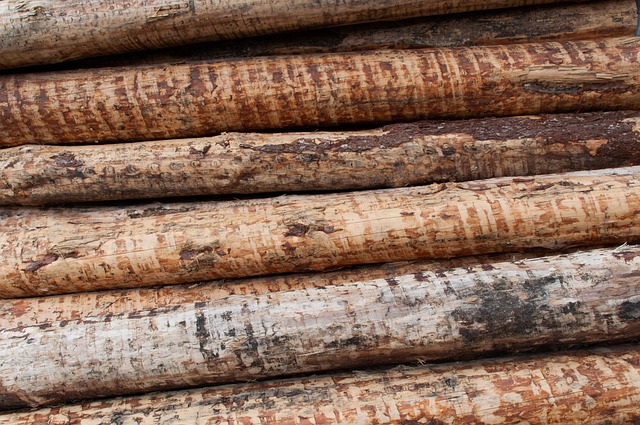
To minimize expansion issues with laminated wood beams for construction over the long term, proper care and maintenance are paramount. Laminated wood, known for its strength and modern aesthetics, requires specific attention to ensure longevity, especially in variable climates. Weather-resistant properties, a key advantage of laminated beams, can be optimized through regular inspection and suitable treatment. For instance, applying thin coatings of preservative treatments or sealers can protect against moisture absorption, a primary cause of dimensional change. Regular cleaning with mild detergent and water also helps maintain the surface integrity.
Sustainable building materials like laminated wood offer not just environmental benefits but also practical solutions for expansion management. Tailor-made laminated wood beams, designed specifically for a project's unique requirements, can be engineered to minimize movement. This precision craftsmanship ensures that each beam is optimized for span, load, and environmental conditions, reducing the potential for expansion-related damage. At 18 Clifton St, Unadilla, NY 13849, we offer expert advice and bespoke solutions for these challenges, guiding clients through the care and customization of laminated wood beams to create lasting structures with minimal maintenance headaches.
Over time, fluctuations in humidity and temperature can impact wooden structures, but proactive measures can mitigate these effects. A comprehensive maintenance program includes regular monitoring of structural components, particularly in areas exposed to varying weather conditions. During dry spells, applications of lightweight, breathable preservatives can help prevent shrinkage cracks, a common issue with wood subjected to rapid moisture loss. Conversely, during wet periods, ensuring proper drainage and ventilation around the building envelope is crucial to minimize water accumulation that could lead to swelling and subsequent structural shifts. By combining these strategies, you can significantly reduce expansion issues associated with laminated wood beams, preserving their structural integrity and aesthetic appeal for decades to come.
By understanding the unique properties of Laminated Wood Beams for Construction and implementing strategic considerations, professionals can effectively mitigate expansion issues. Key insights include selecting high-quality materials to control thermal expansion, integrating advanced joining techniques for enhanced structural integrity, and prioritizing thorough moisture management. Additionally, mindful design choices and long-term care routines are essential to ensure the longevity of Laminated Wood Beams. These comprehensive strategies empower construction experts to harness the advantages of laminated wood while minimizing potential challenges, ultimately delivering robust and durable structures.