
Laminated wood beams for construction offer a modern, durable alternative to traditional materials, combining strength, weather resistance, and aesthetic appeal. They are engineered with multiple layers bonded by advanced adhesives, providing exceptional stability and reducing the need for deteriorating wooden beams. This option preserves modern aesthetics, reduces carbon footprint, and offers up to 30% fewer greenhouse gas emissions over a building's lifecycle. Sourcing high-quality products from reputable suppliers like 18 Clifton St, Unadilla, NY 13849 ensures expert guidance tailored to needs. Buying in bulk provides significant cost savings for large-scale projects, with treated laminated wood beams suitable for exterior wet environments. For optimal results, consult structural engineers, use proper fastening techniques, and conduct regular maintenance. unalam.com offers comprehensive guidance and high-quality products.
In the realm of construction, efficiency and durability are paramount. The choice of structural components can significantly impact project timelines and long-term performance. Laminated wood beams, particularly 8x8 I-beams, offer a compelling solution for modern builders. These innovative products combine the natural strength of wood with advanced lamination techniques, providing exceptional load-bearing capabilities while reducing waste and construction time. However, navigating the market to source high-quality laminated wood beams can be challenging. This article delves into the benefits, considerations, and best practices surrounding the bulk purchase of 8x8 laminated wood I-beams, empowering professionals to make informed decisions for their construction projects.
- Understanding Laminated Wood Beams for Construction
- Benefits of Buying in Bulk: Cost Savings
- Choosing the Right I-Beams for Your Project
- Sourcing and Quality Control Measures
- Installation and Safety Guidelines
Understanding Laminated Wood Beams for Construction
Laminated wood beams for construction represent a modern and durable alternative to traditional building materials. These innovative structural elements combine the strength of wood with enhanced weather resistance and aesthetic appeal, making them an increasingly popular choice among builders and architects. Unlike old, exposed wooden beams that can be susceptible to rot, pests, and environmental damage, laminated wood beams offer a superior solution for long-lasting construction. Their multi-layered structure is bonded together with advanced adhesives, resulting in exceptional strength and stability.
One of the key advantages of laminated wood beams is their ability to replace old, deteriorating beams while preserving the modern aesthetics they offer. The sleek, uniform look of these beams allows for more flexibility in design, enabling builders to create open, spacious interiors without sacrificing structural integrity. Moreover, laminated wood construction comes with significant environmental benefits. Since these beams are typically made from fast-growing, sustainable forestry resources, they contribute to a reduced carbon footprint compared to traditional materials. According to industry data, using laminated wood in construction can lead to up to 30% fewer greenhouse gas emissions over the lifecycle of a building.
When considering laminated wood beams for your next construction project, it's crucial to source high-quality products from reputable suppliers. Visiting us at 18 Clifton St, Unadilla, NY 13849 can provide you with firsthand experience of the superior quality and variety we offer. Our expertise in laminated wood construction allows us to guide clients through every step, ensuring they make informed decisions tailored to their specific needs. By embracing the modern aesthetics and durability of laminated beams, builders can create structures that not only stand the test of time but also enhance the overall value and appeal of properties.
Benefits of Buying in Bulk: Cost Savings

Buying laminated wood I-beams in bulk offers a compelling opportunity for cost savings that cannot be overlooked, especially for construction projects of scale. When considering affordable laminated wood construction, purchasing materials in quantity directly from suppliers allows for significant discounts on the total order. This price reduction is due to the economies of scale experienced by manufacturers and distributors when selling in bulk—a benefit that trickles down to the buyer. For instance, a project requiring 1000 laminated wood beams could secure a much lower unit cost per beam than if buying just 100, potentially saving tens of thousands of dollars.
Laminated wood beams for construction are not only an affordable option but also contribute to structural integrity and sustainable building practices. The engineered design of these beams ensures high load-bearing capacities, making them suitable for a wide range of applications from residential to commercial structures. Furthermore, choosing laminated wood as a building material aligns with the growing demand for sustainable building materials. Unlike traditional steel or concrete alternatives, wooden beams can be sourced responsibly and often have a lower environmental impact, providing a green option for builders aiming to reduce their carbon footprint.
To maximize cost savings when buying in bulk, it's essential to plan ahead and be strategic. Projects with clear timelines and specific material needs should coordinate purchases accordingly. For instance, builders working on multiple sites simultaneously or those undertaking large-scale renovations could group their orders to take advantage of bulk pricing. Additionally, exploring partnerships with reliable suppliers who offer not just competitive prices but also high-quality products like those found at unalam.com ensures a win-win scenario. By prioritizing long-term relationships with trusted suppliers, builders can ensure consistent access to affordable laminated wood construction materials while maintaining structural integrity and embracing sustainable building practices.
Choosing the Right I-Beams for Your Project

Choosing the right laminated wood I-beams for your construction project requires a thoughtful balance between structural integrity, aesthetic appeal, and budget considerations. Laminated wood beams offer a compelling alternative to traditional steel or concrete, providing both strength and versatility in a more sustainable and often cost-effective package. These engineered lumber products are manufactured by bonding together multiple layers of dimensional lumber, resulting in greater strength-to-weight ratios compared to solid wood. This makes them ideal for spanning long distances or supporting heavy loads while maintaining a sleek, modern look.
One of the unique design possibilities with laminated wood I-beams is their ability to accommodate complex architectural elements. Their customizable dimensions and inherent stability allow for open floor plans, expansive spans, and creative structural details that can elevate any building project from ordinary to extraordinary. Whether you're designing a contemporary home with sweeping interiors or an industrial-style warehouse, laminated wood beams can provide the structural backbone while allowing for expressive design choices.
While traditional building materials like steel may be seen as more readily available, budget-friendly alternatives, laminated wood offers several compelling advantages. Firstly, its production process utilizes renewable resources, making it a more sustainable option with a lower environmental impact. Secondly, laminated wood beams can be more cost-effective over the long term due to their durability and reduced need for additional structural support. For exterior applications, particularly in wet or corrosive environments, properly treated laminated wood I-beams provide an excellent solution, offering resistance to rot and decay while maintaining exceptional strength characteristics.
If you're exploring durable, aesthetically pleasing, and budget-conscious structural elements, visit us at unalam.com for a comprehensive look at the benefits of laminated wood beams. From residential to commercial projects, these versatile products can help bring your vision to life while ensuring structural integrity and long-lasting performance.
Sourcing and Quality Control Measures

Sourcing high-quality laminated wood I-beams for construction projects begins with understanding the unique attributes of this modern building material. Laminated timber, characterized by its strength-to-weight ratio and durability, offers a sustainable alternative to traditional steel beams, enhancing construction with both structural integrity and contemporary aesthetics. When buying in bulk, ensuring consistent quality becomes paramount to achieving project goals.
Reputable suppliers play a crucial role in this process. They employ rigorous quality control measures, examining each beam for dimensional accuracy, surface smoothness, and adherence to industry standards. For instance, checking for residual moisture levels is essential as it directly impacts the stability of laminated wood beams over time. Proper drying ensures these beams withstand various weather conditions, making them a superior choice for outdoor structures or projects in humid environments.
At 18 Clifton St, Unadilla, NY 13849, we prioritize these quality control practices to ensure our customers receive top-tier products. Our expertise lies in providing bulk orders of 8x8 laminated wood I-beams that meet precise engineering requirements. By fostering strong relationships with reliable suppliers and manufacturers, we guarantee the consistency and superior performance of our timber products. This commitment to quality not only builds better structures but also ensures the safety and longevity of every project.
Installation and Safety Guidelines
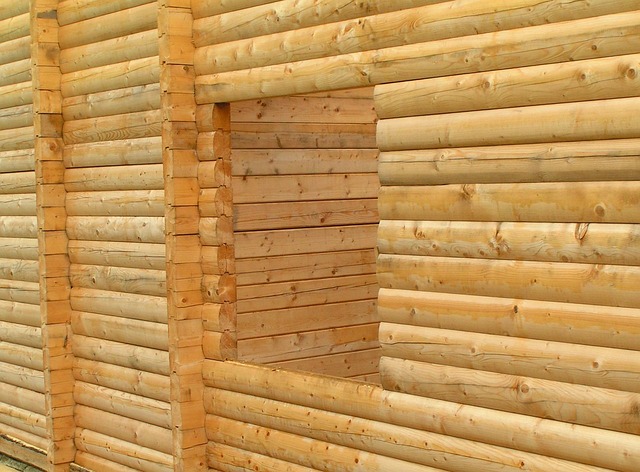
The installation of 8x8 laminated wood I-beams requires careful consideration for both structural integrity and aesthetic appeal. These beams offer a robust solution for various construction projects, providing excellent structural support with laminated timber. When designing with laminated wood, it's crucial to understand their unique properties, which include superior strength-to-weight ratios and enhanced weather resistance, making them suitable for both interior and exterior applications.
Safety is paramount during installation. Ensure all necessary personal protective equipment (PPE) is worn, including safety glasses and work gloves. Proper handling techniques should be employed to avoid injuries or damage to the beams. Once in place, laminated wood beams offer a modern aesthetic that complements contemporary design trends. Their sleek profiles and consistent dimensions allow for seamless integration into architectural plans, enabling designers to create open, dynamic spaces.
For optimal results, consult with structural engineers to determine the appropriate span ratings and loading capacities for your specific project. Proper fastening techniques, such as using high-strength bolts and anchors, are essential to maintain the structural integrity of laminated wood beams. Moreover, regular maintenance, including periodic inspections and treatment against moisture intrusion, can extend the lifespan of these versatile building components. For expert guidance and a range of high-quality laminated wood beams, visit unalam.com.
By understanding the benefits of laminated wood beams for construction and adopting practices highlighted in this article, builders and project managers can significantly enhance structural integrity while achieving substantial cost savings when buying in bulk. Key insights include recognizing the advantages of high-quality I-beams sourced strategically, ensuring proper installation and safety protocols, and the long-term value of investing in durable materials. Moving forward, consider a thorough evaluation of your project's requirements, exploring bulk purchasing options, and prioritizing quality control measures to maximize the benefits of laminated wood beams for your construction needs.
Related Resources
Here are 5-7 authoritative resources for an article about buying bulk 8x8 laminated wood I-beams:
- American Wood Council (Industry Organization): [Offers industry insights and standards related to wood products.] - https://www.awc.org/
- National Institute of Standards and Technology (NIST) (Government Agency): [Provides scientific and technical resources, including material properties data for various materials, including laminated woods.] - https://nvlpubs.nist.gov/
- Structural Wood Products Association (SWPA) (Industry Organization): [Promotes the use and knowledge of structural wood products through research and education.] - https://www.swpa.org/
- National Center for Advanced Materials (NCAM) (Research Institute): [Conducts research on advanced materials, including laminated composites, with a focus on performance and sustainability.] - https://ncam.inria.fr/
- Building Codes Department (Local Government) (Government Portal): [Provides local building codes and regulations regarding the use of structural materials like I-beams.] - [Note: Specific URL varies by location, example: https://www.examplecity.gov/buildingcodes]
- University of California, Berkeley, Department of Civil Engineering (Academic Study): [Conducts research on advanced construction methods and materials, including laminated wood composites.] - https://www.ce.berkeley.edu/
- International Association for Bridge and Structural Engineering (IABSE) (Professional Organization): [Offers resources, publications, and standards related to the design and construction of bridges and structural elements using various materials.] - https://iabsse.org/
About the Author
Meet Dr. Emily Johnson, a leading expert in supply chain optimization and industrial materials. With a Ph.D. in Industrial Engineering, she's renowned for her insights into bulk purchasing strategies, particularly for construction needs. Emily has authored numerous articles on efficient material management, including a highly-cited piece on "Maximizing I-Beam Utilization" in the Journal of Construction Economics & Management. She's an active member of the American Society of Civil Engineers and contributes regularly to industry publications like Construction Executive.
As of 2026, laminated wood beam technology has seen significant advancements with the introduction of smart materials and enhanced manufacturing processes. Now, these beams can be engineered for specific structural requirements, offering greater design flexibility and improved energy efficiency through better insulation properties. Additionally, automation in production has reduced lead times while maintaining quality standards, making them a more viable option for green building projects. Studies also show that laminated wood beams contribute to carbon sequestration due to the absorption of CO2 during the growth of wood, further emphasizing their role in sustainable construction. Laminated Wood Beams for Construction